

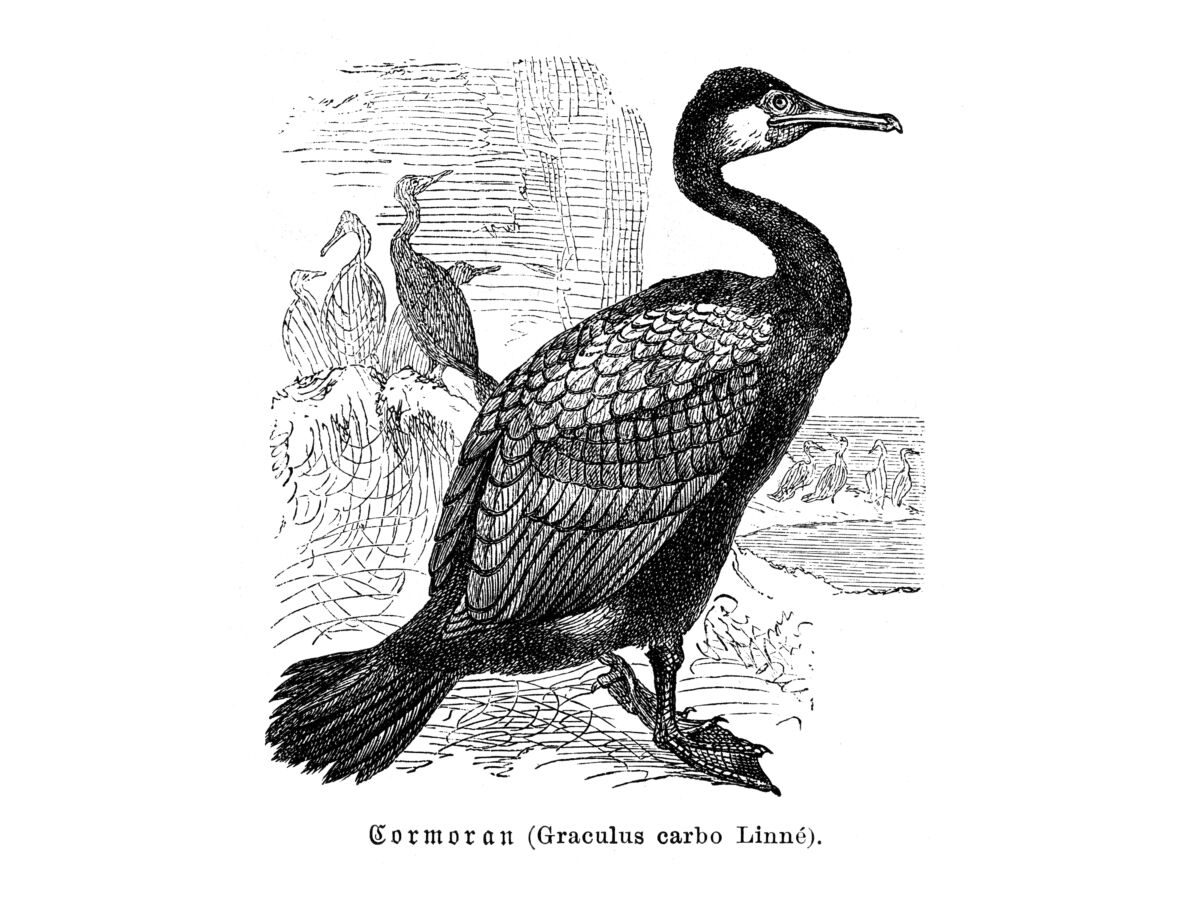
The Cormoran was founded as a platform for analysis and understanding, serving both European citizens and the EU’s decision-makers – the people whose tireless efforts keep the Union running, often without recognition and sometimes with little appreciation. Born in Italy, with a European outlook, Mediterranean roots and a reach extending to the United States and beyond, it seeks to foster a meaningful exchange of ideas across the globe.
To that end, The Cormoran will bring together contributions grounded in empirical research, hard data, scientific evidence, and firsthand testimony. The aim is to build a solid body of evidence that can withstand the shifting tides of public opinion and resist the lure of ideological shortcuts.
This vision stems from a recognition that we are living through a historic turning point, as established frameworks give way to a seductive form of solutionism, as reassuring as it is dangerous.
For those entrusted with Europe’s future, the danger is that they – and the societies they lead – may lose the ability to grasp the transformations unfolding around them, let alone anticipate what lies ahead. In other words, Europe faces the risk of a cognitive collapse. European history, in its finest moments and darkest hours alike, has repeatedly shown us the price of underestimating the scale and consequences of events.
The Cormoran’s mission is not to chase the news cycle. When we turn our attention to the present, we will do so with the benefit of historical perspective, taking inspiration from the Alexandrian poet Constantine P. Cavafy, who looked back two thousand years to interrogate the lives of those who came before us and uncover their meaning.
And when we take a position on the issues we examine – as we certainly will – we will bear in mind the advice offered in the opening pages of F. Scott Fitzgerald’s The Great Gatsby: “Whenever you feel like criticizing any one, just remember that all the people in this world haven’t had the advantages that you’ve had”.
Rigour, then, but always with a light touch.